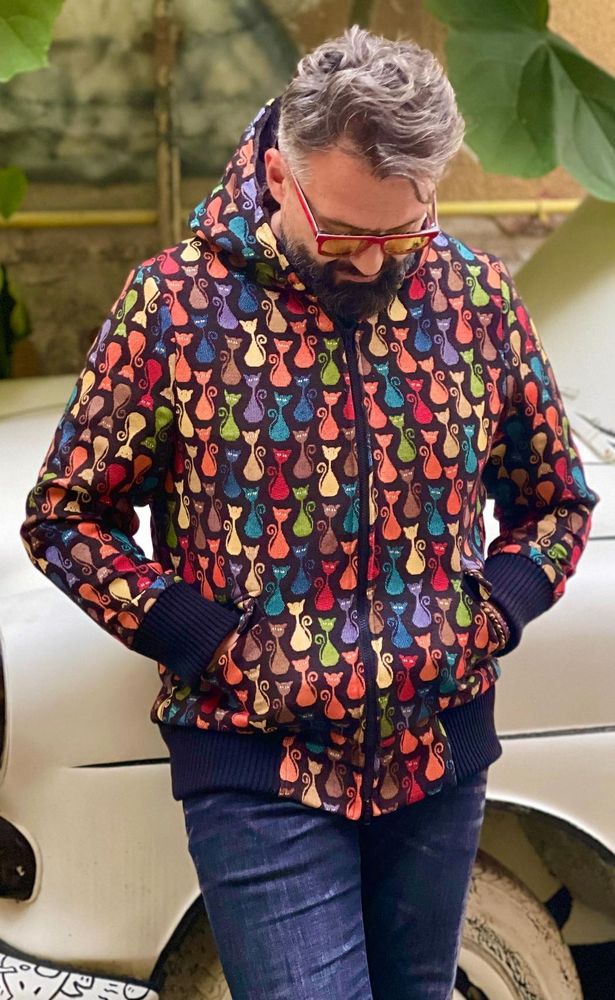
Weaving is a craft that undergoes constant changes and adaptations, with traditional technology and the modern world of high fashion representing two interesting and contrasting approaches to this ancient art.
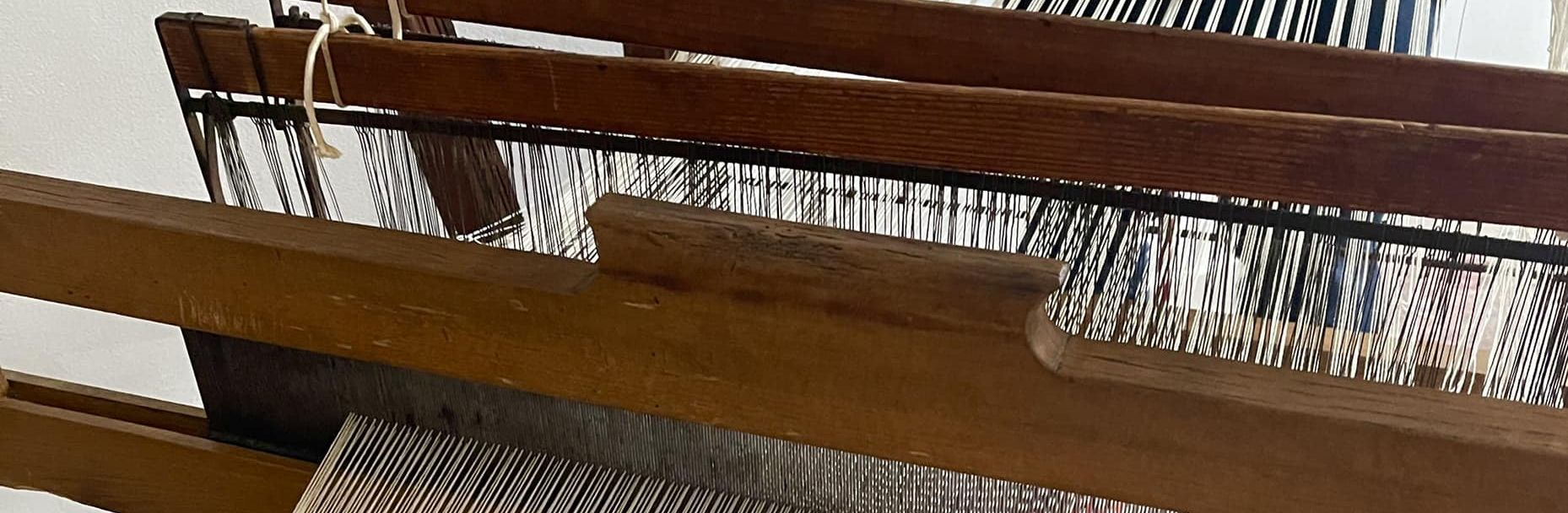
Traditional weaving technology relies on manual processing and the use of classic looms, where yarn is interlaced by hand, creating unique and authentic textiles. This process is time-consuming and requires significant skill and patience. Craftsmen often use natural materials such as wool, flax, hemp, or cotton, which are locally available. Patterns and techniques are often passed down from generation to generation and carry cultural and regional specifics. Weaving products made by traditional methods are known for their high quality, durability, and aesthetic value. Each piece is original, which increases its value and uniqueness.
On the other hand, high fashion represents a modern approach to weaving, using advanced technologies and innovative materials. Designers in this field often combine traditional techniques with new processes such as digital weaving, laser cutting, or 3D printing. High fashion emphasizes creativity, experimentation, and often sustainability. Luxurious materials like silk, cashmere, and high-tech fibers are used, allowing the creation of complex and extravagant designs. High fashion collections are often presented at prestigious fashion shows, aiming to captivate and inspire the global fashion community.
The connection between traditional technology and high fashion is evident in current trends, where many fashion designers seek inspiration in traditional techniques and patterns. This approach allows preserving cultural heritage while bringing innovation and modernization. For example, designers like Dolce & Gabbana or Vivienne Westwood often incorporate traditional textiles and techniques into their collections, creating unique pieces that combine the past with the future.
The challenge for traditional weaving in the context of high fashion is maintaining authenticity and quality amid mass production and globalization. At the same time, collaboration between traditional craftsmen and modern designers can lead to a revival of interest in handwoven textiles and their new application in the global market. Such a connection brings mutual enrichment, where traditional techniques add value and authenticity to products, while modern approaches bring innovation and wider recognition.